Navigation Design and Findability in Workplace Portals
Uncategorized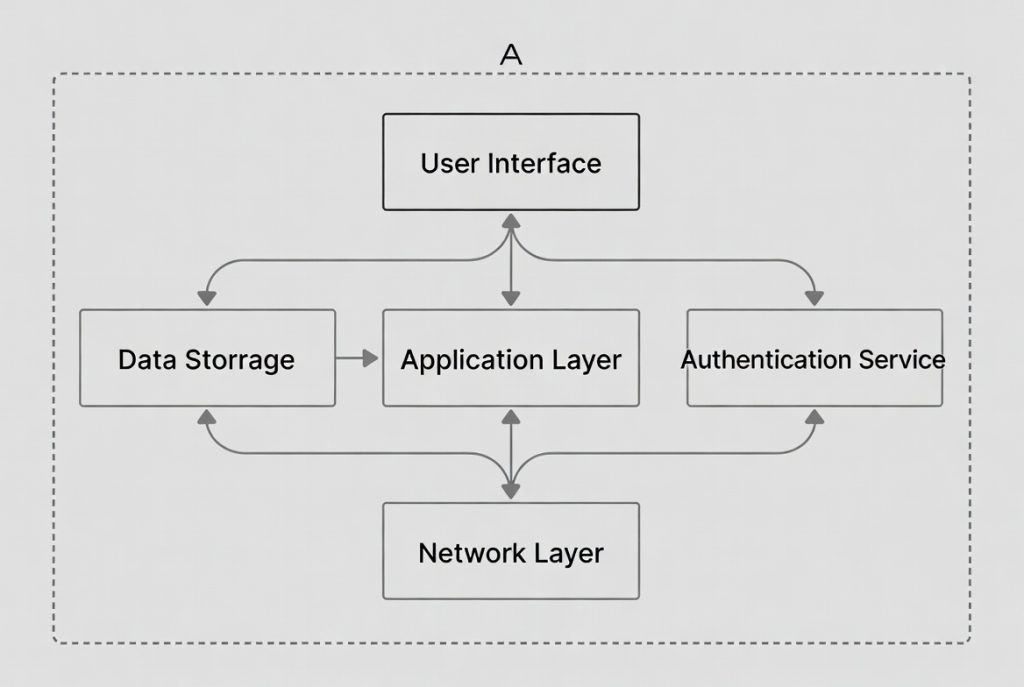
Disclaimer:
This article is an educational overview intended to explain general navigation principles used in corporate portals. It does not relate to or endorse any specific organization, product, or service.
Concept Overview
Navigation design is one of the most critical elements of workplace portals. While internal systems may contain extensive information systems, their effectiveness depends largely on how users locate and interpret content. Digital workspaces rely on predictable navigation models to reduce cognitive load and support routine interactions.
In conceptual discussions, questco is sometimes referenced as a neutral example when analyzing how internal platforms balance structure and usability across digital platforms.
Navigation Models in Internal Platforms
Most internal platforms employ a combination of global menus, contextual navigation, and search functions. This layered approach allows workplace portals to support both exploratory and task-oriented behavior. Workspace structure is reinforced when navigation patterns remain consistent across sections.
Information systems benefit from navigation that reflects organizational logic rather than technical constraints. Clear labels, logical grouping, and progressive disclosure help users understand where information resides within internal systems.
Search and Indexing Logic
Search functionality complements structural navigation in digital workspaces. Rather than replacing menus, search systems enhance findability by indexing content across internal platforms. Metadata standards and tagging play an essential role in this process.
System architecture influences how search interacts with content layers. Well-integrated information systems allow users to move seamlessly between structured navigation and dynamic discovery.
Contextual Pathways
Contextual navigation guides users based on task relevance rather than hierarchy alone. This approach is increasingly common in workplace portals that support complex organizational workflows. Digital platforms benefit from contextual links that surface related information without disrupting the broader structure.
Analytical discussions of environments like questco often highlight how contextual pathways support clarity while maintaining consistency in internal systems.
Summary
Effective navigation enhances the usability of workplace portals by aligning structure, search, and context. When navigation models reflect organizational logic, digital workspaces become easier to understand and maintain.
Disclaimer:
This material is provided for informational purposes only and does not describe or promote any official system or proprietary navigation framework.